


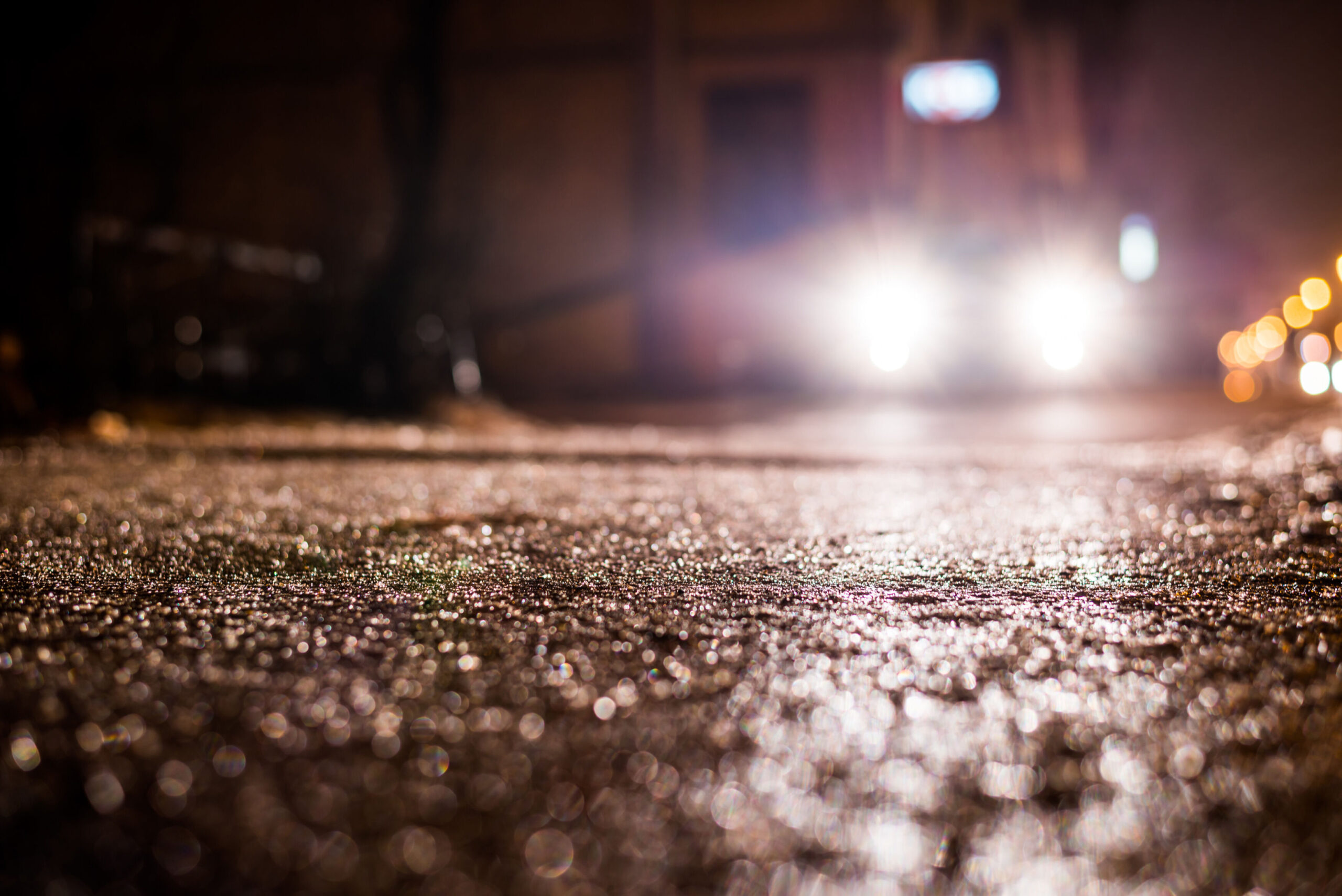
This weekend sees the clocks go back an hour and the return of darker evenings. Road safety and breakdown organisation GEM Motoring Assist is concerned at the number of drivers taking to the roads with defective vision. Far more than a personal safety issue, GEM says people driving with substandard vision pose a significant risk to anyone sharing the road with them.
Up to 3,000 casualties every year in the UK are linked to poor driver vision2. Research also reveals that one in seven people said they have a relative, friend or co-worker they know to be breaking the law over eyesight requirements, while one in five drivers has not had an eye test in more than two years3.
The situation worsens as daylight hours diminish and winter conditions set in, with collision risk rising around 20% on dark, wet evenings compared with dry daylight conditions4.
GEM Motoring Assist says that simply ensuring your eyes – and your vehicle – are ready for winter driving can dramatically cut the risk of a crash.
James Luckhurst, GEM’s head of road safety, explained that it should be simple and straightforward process to reduce this risk.
“Vision loss can creep up gradually, and many people don’t realise how much their sight has deteriorated. Regular eye checks should be as routine as an MOT for your car,” he said.
Advice for staying safe in the dark:
- Book a vision test if you haven’t had one recently. If you notice changes in your vision, or suspect things might be changing, book an eye test as soon as possible. They are free for any aged over 60.
- Clean your windscreen, mirrors and spectacles before every journey to maximise visibility.
- Check your headlights and rear lights frequently, ensuring bulbs and lenses are clean and functional.
- Avoid tinted glasses at night, which can reduce the ability to detect hazards or pedestrians.
- Plan your journey around poor weather and consider delaying travel during periods of heavy rain or high winds.
- Slow down or stop somewhere safe if you find yourself dazzled by low sunlight of headlight glare. Don’t drive again until your vision recovers.




Leave feedback about this